SoftWave Therapy Explained: How TRT Differs from Standard Shockwave for Chronic and Tendon Pain
Wilmington, United States – February 16, 2026 / Softwave /
SoftWave TRT vs Traditional Shockwave Therapy: What’s the Difference?
For people living with ongoing pain, especially pain that has not responded well to rest, medication, or physical therapy, the search for effective non-surgical pain relief can feel exhausting. Over the past two decades, shockwave-based therapies have become increasingly common in clinics treating musculoskeletal conditions, tendon injuries, and chronic pain. However, not all shockwave therapies work the same way, and the differences between them matter far more than most patients realize.
SoftWave Therapy, also known as SoftWave TRT, represents a significant evolution in how acoustic wave technology is used to treat pain and stimulate healing. While it is often grouped together with traditional shockwave therapy, the underlying technology, treatment depth, biological effects, and patient experience are fundamentally different. Understanding these differences can help patients make informed decisions about their care, particularly when seeking long-term relief rather than temporary symptom management.

Understanding the basics of shockwave-based therapies
Shockwave therapy, as a general concept, refers to the use of acoustic waves delivered into the body to influence tissue healing and pain signaling. These acoustic waves are mechanical pressure pulses, not electrical energy, heat, or radiation. Their therapeutic value lies in how they interact with cells, blood vessels, and nerve endings.
What traditional shockwave therapy was designed to do
Traditional shockwave therapy originated from medical technologies used to break up kidney stones. Over time, lower-energy versions were adapted for musculoskeletal use, particularly for stubborn tendon conditions.
Most traditional shockwave systems deliver focused or radial pressure waves that concentrate energy at a specific point. The goal has often been to create controlled microtrauma in damaged tissue, triggering an inflammatory response that restarts the body’s healing process. This approach can be effective for certain conditions, but it relies heavily on discomfort and tissue irritation as part of the mechanism.
How SoftWave Therapy approaches healing differently
SoftWave TRT was developed with a different biological goal in mind. Instead of creating microtrauma, SoftWave therapy focuses on stimulating regenerative processes within tissue. It uses broad, unfocused acoustic waves that spread through a larger treatment area and reach much deeper structures.
Rather than forcing inflammation, SoftWave therapy encourages cellular activation, improved blood flow, and tissue regeneration. This difference in intent is one of the most important distinctions between SoftWave treatment for chronic pain and traditional shockwave methods.
The technology behind SoftWave TRT
At the core of the difference between SoftWave TRT and traditional shockwave therapy is the way acoustic waves are generated and delivered.
Unfocused acoustic wave delivery
SoftWave technology produces parallel, unfocused acoustic waves that penetrate deeply and evenly into the body. These waves are capable of reaching tissue layers far beneath the skin surface, including muscles, tendons, ligaments, and joint-supporting structures.
Because the energy is not concentrated into a single focal point, treatment is distributed across a broader area. This allows multiple layers of tissue to be addressed simultaneously, rather than targeting only a small, localized spot.
Depth of penetration and tissue reach
Traditional shockwave therapy often targets shallow or very specific focal zones. SoftWave therapy, by contrast, is designed to reach deeper anatomical structures without losing effectiveness.
This depth is particularly important when treating chronic pain conditions that involve complex tissue layers or deep tendon attachments. Many cases of long-standing pain persist because surface-level treatments never fully address the underlying source of dysfunction.
Energy delivery without tissue damage
One of the defining features of SoftWave TRT is that it does not rely on damaging tissue to provoke healing. The acoustic waves interact with cells at a biological level, triggering beneficial responses without tearing or bruising tissue.
This approach reduces post-treatment soreness and allows patients to continue with normal daily activities, which is especially important for individuals seeking sustainable, non-surgical pain relief.
Biological effects that set SoftWave therapy apart
The way tissue responds to SoftWave TRT differs significantly from how it responds to traditional shockwave therapy.
Activation of regenerative cells
SoftWave therapy has been shown to stimulate the activation of the body’s own regenerative cells within treated tissue. These cells play a critical role in repairing damaged structures and restoring normal function.
By encouraging regeneration rather than irritation, SoftWave treatment for chronic pain supports long-term tissue health instead of short-term symptom suppression.
Improved blood flow and vascular response
Another key effect of SoftWave therapy is enhanced blood flow to treated areas. Acoustic waves promote the formation of new microvascular structures, improving oxygen and nutrient delivery to damaged tissue.
Chronic pain conditions, particularly tendon-related pain, often involve poor circulation. Addressing this vascular component is essential for meaningful recovery.
Modulation of pain signaling
SoftWave TRT also influences how pain signals are transmitted and perceived. By affecting nerve signaling pathways and reducing inflammatory mediators, the therapy helps calm overactive pain responses.
This neuromodulatory effect explains why many patients experience pain relief early in their treatment plan, even as deeper healing processes continue.
Comparing patient experience during treatment
From the patient’s perspective, the difference between SoftWave therapy and traditional shockwave therapy is often immediately noticeable.
Comfort during sessions
Traditional shockwave therapy can be uncomfortable or even painful, particularly when high energy levels are used. Some patients require breaks during treatment due to discomfort.
SoftWave therapy is generally well tolerated. While patients may feel tapping or pressure sensations, treatment does not rely on pain to be effective. This makes it more accessible for individuals who are sensitive to pain or have already endured prolonged discomfort.
No anesthesia or downtime
Because SoftWave TRT does not cause tissue damage, it does not require anesthesia or numbing agents. Patients can typically return to normal activities immediately after treatment.
This convenience is a major advantage for people managing work, family responsibilities, or active lifestyles while undergoing care.
Consistency across sessions
SoftWave therapy sessions tend to be consistent in sensation and outcome, whereas traditional shockwave treatments may vary significantly depending on energy levels and focal targeting.
Consistency helps patients feel more confident in the process and reduces anxiety surrounding treatment sessions.

SoftWave treatment for chronic pain conditions
Chronic pain is rarely caused by a single factor. It often involves tissue degeneration, reduced blood flow, nerve sensitization, and impaired healing. SoftWave TRT addresses these elements collectively rather than in isolation.
Why chronic pain responds differently than acute injuries
Acute injuries typically follow a predictable healing timeline. Chronic pain, on the other hand, represents a breakdown in the normal healing process. Tissue may be weakened, inflamed, or poorly vascularized, creating a cycle of ongoing discomfort.
SoftWave therapy targets this cycle by reactivating dormant healing mechanisms instead of simply masking pain.
Long-term improvement rather than temporary relief
Many conventional pain treatments focus on short-term symptom reduction. While this may offer temporary comfort, it often fails to resolve the underlying issue.
SoftWave treatment for chronic pain aims to produce structural and biological improvements that support lasting relief. Patients often report progressive improvement over weeks as tissue quality improves.
SoftWave therapy for tendon pain
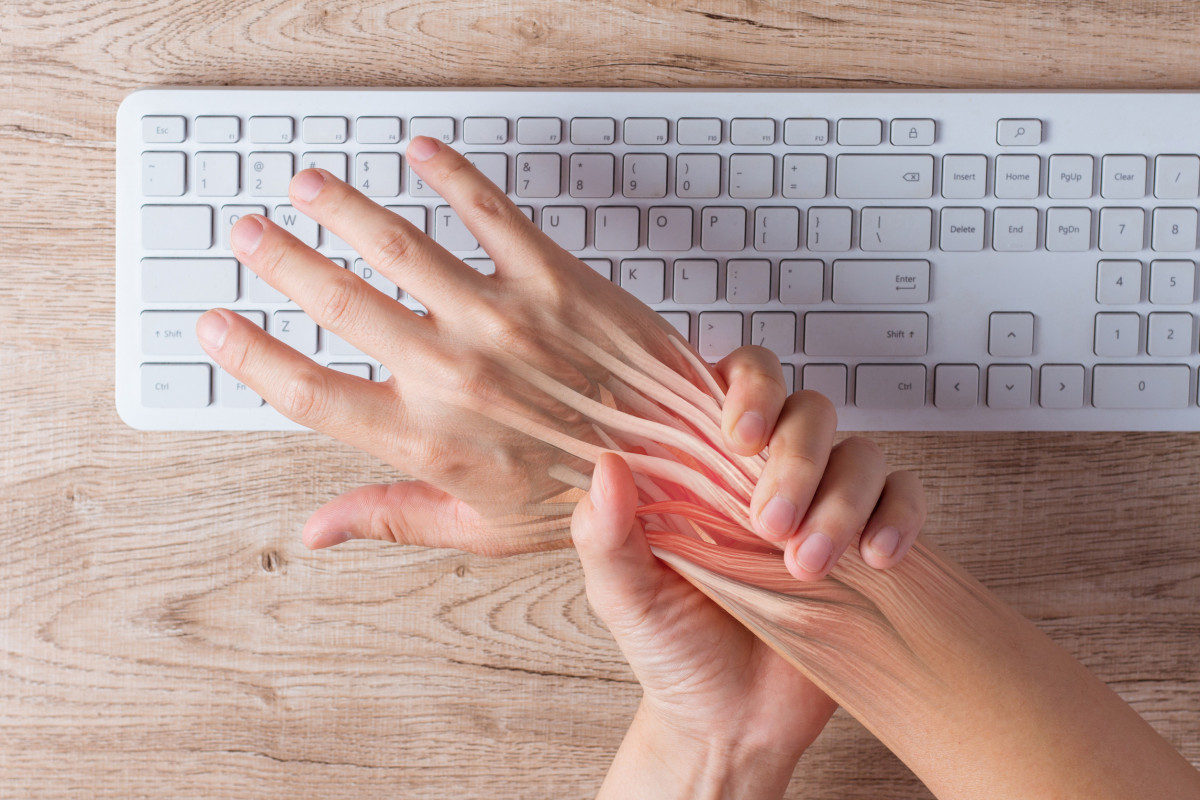
Tendon pain is one of the most common reasons patients seek shockwave-based treatments. Tendons heal slowly due to limited blood supply, making them particularly prone to chronic degeneration.
Why tendon pain is difficult to treat
Tendons are dense, fibrous structures with limited circulation. Once damaged, they may not receive the nutrients needed for proper repair. Over time, this leads to thickening, stiffness, and persistent pain.
Traditional shockwave therapy attempts to restart healing through irritation. SoftWave therapy takes a regenerative approach instead.
How SoftWave TRT supports tendon regeneration
SoftWave therapy improves circulation around tendon tissue and stimulates cellular activity essential for repair. This creates an environment where tendons can gradually regain strength and flexibility.
Because the treatment reaches deeper tendon attachments, it is particularly well suited for long-standing tendon pain that has not responded to rest or rehabilitation alone.
Supporting movement and function
Reducing tendon pain is not just about comfort. It is about restoring movement and function. As tissue health improves, patients often experience better mobility, increased confidence in movement, and reduced fear of re-injury.
Safety considerations and treatment suitability
When comparing SoftWave TRT to traditional shockwave therapy, safety is an important consideration.
Non-invasive and drug-free care
SoftWave therapy is a non-invasive, drug-free option for pain management. This makes it appealing for individuals who wish to avoid surgery, injections, or long-term medication use.
Because it does not rely on pharmaceuticals, it avoids systemic side effects associated with many pain management strategies.
Suitability for a wide range of patients
The gentle nature of SoftWave therapy allows it to be used across a broad range of patients, including those with chronic conditions who may not tolerate aggressive treatments.
Treatment plans are typically individualized based on condition severity, tissue response, and functional goals.
Treatment timelines and expectations
Understanding what to expect helps patients approach therapy with realistic and informed expectations.
Gradual improvement over time
SoftWave therapy is not a one-time fix. Most patients undergo a series of treatments, with improvement building gradually as tissue responds.
This progressive response reflects genuine healing rather than temporary symptom suppression.
Measuring success beyond pain scores
Success is not measured solely by pain reduction. Improvements in mobility, strength, endurance, and daily function are equally important indicators of progress.
By focusing on these outcomes, SoftWave TRT aligns treatment goals with real-life quality of life improvements.
Making an informed choice about shockwave therapy
When comparing SoftWave TRT vs traditional shockwave therapy, the distinction lies in philosophy as much as technology. One approach relies on irritation to provoke healing, while the other focuses on regeneration and restoration.
Why the difference matters for long-term outcomes
Patients seeking non-surgical pain relief are often looking for durable improvement, not repeated cycles of treatment. SoftWave therapy’s regenerative approach supports this goal by addressing underlying tissue health.
This makes it particularly relevant for individuals with chronic pain or recurring tendon issues.
Aligning treatment choice with personal goals
Every patient’s situation is unique. Understanding how different therapies work allows individuals to align their treatment choice with their comfort level, lifestyle, and long-term health goals.
A modern approach to non-surgical pain relief
SoftWave TRT represents a shift in how clinicians approach pain and tissue healing. By leveraging acoustic wave technology in a regenerative, patient-friendly way, it offers an alternative to more aggressive or invasive options.
For those exploring SoftWave treatment for chronic pain or SoftWave therapy for tendon pain, understanding how it differs from traditional shockwave therapy is a crucial first step. With its focus on deep tissue activation, improved circulation, and long-term healing, SoftWave therapy continues to redefine what non-surgical pain relief can look like in modern care.



Contact Information:
Softwave
2595 South 17th St Wilmington
Wilmington, NC 28401
United States
Drew Smith
https://softwave-nc.com/

Original Source: https://softwave-nc.com/media-room/#/media-room