
Key Takeaways
- The right departure point for Machu Picchu depends on travel plans, desired scenery, and how much time is available
- Cusco departures use a bus-and-train service that takes roughly 3.5 to 5 hours and shows a full descent from the highlands into the valley
- Ollantaytambo departures skip the bus and put travelers on a direct train that takes a notably shorter time, roughly half the Cusco trip or less
- Booking ahead matters most during high season from May to October, with peak demand for tickets between June 19 and November 2, so knowing which route fits an itinerary early makes planning easier
- Inca Rail runs multiple daily departures from both Cusco and Ollantaytambo, giving travelers flexibility no matter where their trip begins
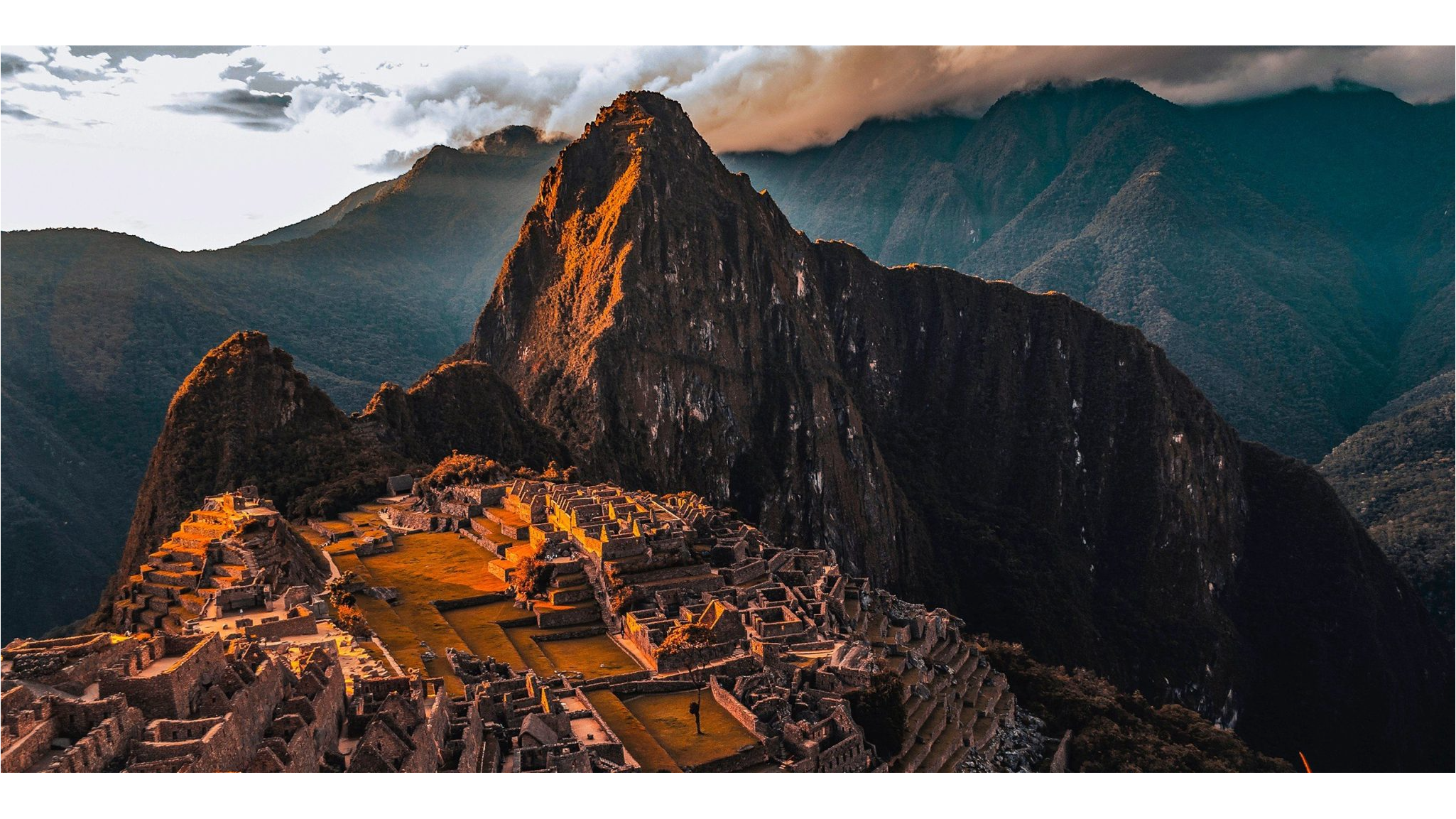
Standing at the edge of Machu Picchu feels the same no matter how a traveler gets there, but the road to that moment can look very different depending on where the trip starts. Two departure points serve the citadel: Cusco, the historic Andean capital, and Ollantaytambo, the smaller Sacred Valley town closer to the ruins. Picking between them shapes how long a travel day feels, what scenery unfolds along the way, and how much room remains for the rest of a Peru itinerary.
Neither option is better across the board. A traveler spending several days visiting Cusco’s plazas and museums will experience the trip differently than someone who has already settled into the Sacred Valley. Inca Rail lays out both routes in detail on its routes page, a useful starting point for comparing schedules and travel times before locking in a plan.
This guide breaks down what each route involves, how long it takes, and which type of traveler tends to prefer one over the other.
Two Routes, One Iconic Destination
Machu Picchu sits at the base of a mountain that no road directly reaches, so every visitor arrives either on foot via a multi-day trek or by train. That reality makes the departure point one of the most important early decisions in planning a trip. Cusco and Ollantaytambo both connect to Aguas Calientes, the town at the foot of the citadel, but they get there through very different routes.
Cusco sits high in the Andes and has no train station of its own, so trips from the city begin with a bus ride before the rails even start. Ollantaytambo, by contrast, sits lower in the Sacred Valley and has a working train station, making it a direct boarding point. Understanding this basic difference explains almost everything else about how the two routes compare.
Departing From Cusco: The Bimodal Route
Choosing Cusco as a starting point means beginning the day with a scenic overland transfer before ever setting foot on a train.
Bus to Ollantaytambo, Then Train to Aguas Calientes
Because Cusco has no rail line running through the city center, any train trip starting there actually begins with a bus. The bimodal service includes a private bus transfer from the box office on Av. El Sol directly to the Ollantaytambo train station, a drive that takes approximately 1.5 to 2 hours through the Sacred Valley. Once travelers arrive, they board the train for the continuing ride to Aguas Calientes. The transfer is coordinated as a single ticketed service, so there is no need to arrange separate transportation or worry about timing the connection.
A Full High-to-Valley Descent
The reward for the longer travel time is a dramatic shift in scenery. Starting high in the Andes, the route gradually descends through highland terrain before opening into the lush Urubamba River valley. Travelers watch the scenery transform from dry Andean slopes to greener, river-fed lowlands, a transition that is hard to notice on a shorter, lower-altitude ride. For travelers who enjoy watching geography change in real time, this descent is part of the appeal rather than a downside of the extra hours.
Best For Cusco-Based Itineraries
This route makes the most sense for anyone spending real time in Cusco before heading toward the citadel. Travelers who plan to visit the city’s colonial architecture, Inca ruins, and markets over a few days can fold the bimodal trip smoothly into their schedule without needing to relocate to the Sacred Valley first. Multiple daily departures from Cusco also mean there is room to choose between an early start aimed at beating crowds or a later, more relaxed morning.
Departing From Ollantaytambo: The Direct Ride
For travelers who are already staying in the Sacred Valley, Ollantaytambo provides a more streamlined path to the citadel.
A Shorter, Lower-Altitude Start
Ollantaytambo sits at 2,792 meters above sea level, noticeably lower than Cusco, and its train station allows travelers to board directly without a preceding bus ride. The train ride from there to Aguas Calientes covers roughly 43 kilometers (27 miles) and takes a notably shorter time than the Cusco route. The lower starting altitude can also ease the physical adjustment to the Andes, which matters for visitors who feel the effects of thin mountain air more acutely in Cusco.
Ideal For Sacred Valley Travelers
Anyone who has spent a day or two visiting Ollantaytambo’s Inca terraces, the Pisac market, or other Sacred Valley sites will find this route folds naturally into that itinerary. There is no need to backtrack toward Cusco first, which saves both time and travel fatigue. The Ollantaytambo station operates year-round; other stations, such as Poroy, may close during the rainy season from January to April, with those trains rerouted through Ollantaytambo instead, keeping the route accessible for travelers based in the valley regardless of when they visit.
Comparing Travel Time and Scenery
Laid out side by side, the time difference between the two routes is significant enough to influence same-day planning. Departing from Cusco, the full trip – bus plus train – generally runs between 3.5 and 5 hours, with some estimates placing total travel time to the Machu Picchu entrance gate at around 4 hours and 30 minutes once transfers are included. Departing from Ollantaytambo, the train-only ride takes roughly half that time or less.
Scenery differs as much as duration. The Cusco route provides a broader visual arc, moving from high-altitude terrain into valley greenery, which rewards travelers who enjoy a slower, more gradual reveal of the terrain. The Ollantaytambo route stays closer to the Urubamba River the entire way, tracing steep mountainsides, terraced hillsides, and small Andean villages in a more compact, continuously scenic stretch. Neither view outranks the other; the choice comes down to whether a traveler wants an extended ride through changing terrain or a tighter, river-hugging trip.
Choosing Your Departure Point
With both routes mapped out, the decision usually comes down to a few practical factors rather than one being objectively superior.
Match the Route to Your Itinerary
The most straightforward way to choose is to look at where a trip already has the traveler positioned. Those building their days around Cusco’s historic center benefit from the bimodal service’s built-in convenience, since it picks up right where city sightseeing leaves off. Travelers who plan to spend time in the Sacred Valley first, whether visiting Ollantaytambo’s ruins or nearby villages, are better served starting the train ride from there and skipping the extra bus segment entirely.
Weigh Morning vs Afternoon Departures
Timing matters almost as much as the departure city. Early morning departures work well for day trips, since they allow more time at the citadel before the site closes and help travelers reach the entrance ahead of the largest crowds. Afternoon departures suit travelers planning an overnight stay in Aguas Calientes, since they allow a fuller morning in Cusco or the Sacred Valley before making the trip down. Either direction, arriving at the train station at least 30 minutes before departure keeps check-in and boarding smooth.
Book Early for Peak Season
Regardless of which route fits best, timing the booking itself deserves attention. High season runs from May to October, with peak demand for tickets between June 19 and November 2, and both train seats and Machu Picchu entrance tickets tend to sell out well before travel dates arrive. Reserving seats several weeks ahead, and pairing the reservation with entrance tickets, removes one of the biggest sources of last-minute stress in planning a Machu Picchu visit.
Your Route Sets the Day’s Rhythm
Neither the Cusco nor the Ollantaytambo route is a wrong choice; each simply sets a different pace and mood for the day. Cusco’s bimodal trip turns transportation into an extension of sightseeing, unfolding the Andes gradually across several hours. Ollantaytambo’s direct train ride trims that time down and keeps the focus tightly on the river valley leading into Aguas Calientes.
Travelers who take a moment to match their starting point with their broader itinerary, energy levels, and schedule tend to arrive at Machu Picchu feeling settled rather than rushed. For a closer look at schedules, train classes, and seasonal booking windows, the Machu Picchu train routes overview is a practical next stop before finalizing travel dates.
Inca Rail
105 Portal de Panes
Cusco
Cuzco
08002
Peru


