Safeguarding Your Home in the Modern World: Leveraging Cutting-Edge Technology for Protection
Florence, United States – February 4, 2025 / Butler Alarm Florence /
In today’s digital world, home security is no longer just about locks and keys. With the rise of smart technology, homeowners have access to cutting-edge tools that offer more protection, control, and peace of mind than ever before. Whether it’s surveillance cameras, motion sensors, or AI-powered security systems, technology has transformed how we protect our homes. But with all these advancements, are we really making our homes safer? Let’s dive into how modern technology is reshaping home security and what you can do to keep your household secure in the digital age.
The Evolution of Home Security: From Simple Locks to Smart Tech
Home security has come a long way. Decades ago, the best way to secure a house was through strong locks, barred windows, and possibly a guard dog. Then came alarm systems with basic sensors that would trigger a loud noise if someone tried to break in. While these systems were effective, they had major limitations—false alarms, limited response capabilities, and a lack of real-time monitoring.
Fast forward to today, and home security has taken a giant leap forward. Now, we have smart locks that can be controlled remotely, high-definition security cameras with real-time monitoring, and AI-driven systems that can distinguish between an actual intruder and a harmless movement. These technologies not only enhance security but also make it more convenient for homeowners to monitor and protect their homes from anywhere in the world.
Smart Surveillance: The Eyes That Never Blink
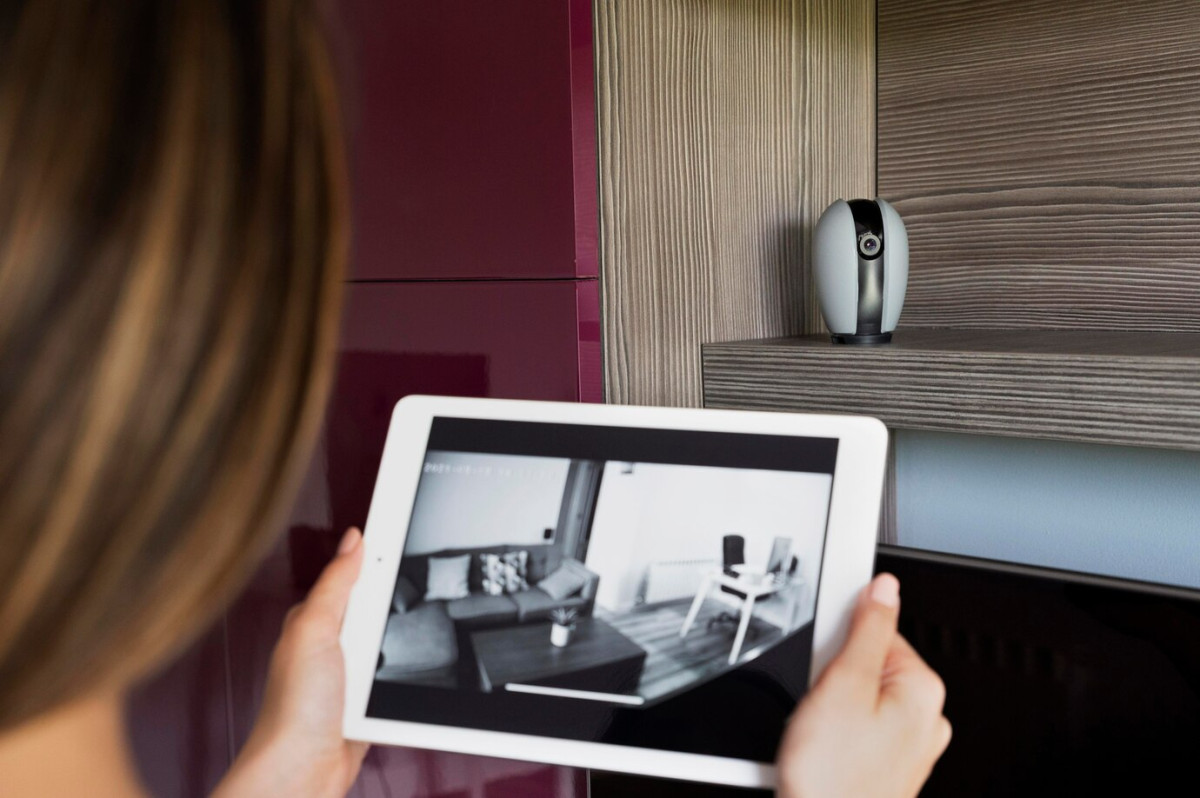
One of the biggest advancements in home security is the use of smart surveillance cameras. Unlike traditional CCTV systems, smart cameras offer high-definition video, night vision, two-way communication, and cloud storage. Many models even come with AI-powered features such as facial recognition, motion detection, and automatic alerts to your smartphone.
With smart surveillance, you can:
- Monitor Your Home in Real-Time – Whether you’re at work or on vacation, you can check live video feeds from your phone.
- Receive Instant Alerts – If a camera detects unusual activity, you get a notification immediately, allowing you to take action.
- Deter Criminals – A visible security camera can discourage burglars from attempting a break-in.
- Store Footage Safely – With cloud storage options, you don’t have to worry about losing footage due to theft or damage to a physical recorder.
However, while smart surveillance offers great benefits, it also raises privacy concerns. Hackers can potentially gain access to your camera feeds if proper security measures are not in place. To prevent this, always use strong passwords, enable two-factor authentication, and regularly update your camera’s firmware.
Smart Locks and Keyless Entry: No More Lost Keys
Traditional keys are easy to lose, steal, or duplicate. That’s why smart locks are becoming a popular choice for homeowners. These high-tech locks allow you to unlock your door using a smartphone app, fingerprint, or even voice commands.
Advantages of smart locks:
- Remote Access: Lock or unlock your doors from anywhere using your smartphone.
- Temporary Access Codes: Provide friends, family, or service personnel with temporary codes instead of physical keys.
- Auto-Locking Feature: Set your door to lock automatically after a certain period, preventing accidental unlocks.
- Integration with Smart Home Systems: Connect your lock with other devices like security cameras and alarms for enhanced security.
Although smart locks are incredibly convenient, they also need to be protected against cyber threats. Choose locks with strong encryption, update their software regularly, and avoid using easily guessable PINs.
Motion Sensors and Smart Alarms: Instant Alerts When Something’s Wrong
Motion sensors and smart alarms play a crucial role in home security. These devices can detect movement, glass breaking, or unusual activity, instantly alerting homeowners or security companies. Many smart alarm systems can also differentiate between normal household movements (like pets walking around) and actual threats, reducing false alarms.
Some advanced features of smart alarms include:
- AI-Powered Detection – Identifies the difference between an intruder and normal home activity.
- Integration with Other Smart Devices – Works with security cameras, smart lights, and locks for a fully automated security system.
- Emergency Alerts – Sends instant notifications to your phone or even contacts emergency services automatically.
Cybersecurity for Smart Homes: Keeping Hackers Out
While smart home security systems provide excellent physical protection, they also introduce cybersecurity risks. Hackers can exploit weak passwords, outdated software, and unsecured networks to gain access to your home’s security systems. If a hacker gains control over your security cameras or smart locks, it could lead to serious security breaches.
Here’s how to protect your smart home from cyber threats:
- Use Strong Passwords – Avoid default passwords and use complex, unique ones for each device.
- Enable Two-Factor Authentication – This adds an extra layer of security.
- Keep Software Updated – Regularly update firmware and security patches for all smart devices.
- Secure Your Wi-Fi Network – Change the default router password and enable WPA3 encryption.
- Limit Device Access – Only allow trusted users to access your security devices.
The Role of AI and Automation in Home Security
Artificial intelligence (AI) is revolutionizing home security by making it smarter and more efficient. AI-powered security systems can analyze patterns, detect anomalies, and even predict security threats before they happen.
Some key AI-driven security features include:
- Facial Recognition – Identifies known faces and alerts you about unknown visitors.
- Behavior Analysis – Detects suspicious behavior and sends warnings.
- Voice Recognition – Allows secure voice commands for unlocking doors and disarming alarms.
AI’s ability to learn and adapt makes security systems more proactive rather than just reactive, helping homeowners prevent security breaches before they occur.
Final Thoughts: Is Advanced Technology the Ultimate Security Solution?
While modern technology has significantly improved home security, it’s important to remember that no system is foolproof. Even the most advanced security solutions require proper usage and maintenance. Combining smart technology with good security habits—like being cautious with access permissions and regularly checking for vulnerabilities—will provide the best protection for your home.
As security technology continues to evolve, staying informed and adapting to new advancements will be crucial in ensuring a safer home environment. Whether you invest in smart locks, AI-driven cameras, or motion sensors, the key is to use these tools wisely and keep your security system updated against potential threats.
FAQs
1. Are smart security systems vulnerable to hacking?
Yes, like any internet-connected device, smart security systems can be hacked if they are not properly secured. Using strong passwords, enabling two-factor authentication, and keeping software updated can reduce the risk.
2. What happens if my smart lock runs out of battery?
Most smart locks have backup power options such as emergency battery terminals or manual key access. Be sure to check the battery life regularly.
3. Can AI-powered security cameras recognize faces accurately?
AI-powered cameras are becoming more accurate with facial recognition, but they are not perfect. Lighting conditions, facial changes, and camera quality can affect accuracy.
4. How can I secure my Wi-Fi network to protect my smart home devices?
Use a strong, unique password, enable WPA3 encryption, update your router firmware, and avoid using public Wi-Fi for accessing security systems.
5. Is professional monitoring necessary for home security?
It depends on your needs. Professional monitoring provides 24/7 surveillance and immediate emergency response, while self-monitoring requires you to respond to alerts yourself.
Contact Information:
Butler Alarm Florence
2595 S Brehenan Dr
Florence, SC 29505
United States
Shane G
(843) 669-4556
https://www.butleralarmflorence.com/

Original Source: https://www.butleralarmflorence.com/media-room/#/media-room


