Key Takeaways:
- Ohio House Bill 479 would allow radiology assistants to administer contrast media under remote supervision, aligning state law with federal CMS requirements that took effect in January 2026.
- The bill requires a qualified healthcare provider to remain on-site during remote supervision to manage potential contrast reactions and adverse events.
- HB 479 passed the Ohio House in February 2026 and is currently under Senate Health Committee review, with widespread industry support from ACR and other professional organizations.
- Ohio imaging facilities must continue following existing state supervision requirements until HB 479 becomes law, even though federal CMS policy now permits virtual oversight.
Ohio’s medical imaging landscape stands on the brink of a significant transformation as state lawmakers work to modernize contrast administration regulations. The proposed changes would bring Ohio in line with federal standards while addressing critical radiologist shortages affecting healthcare delivery statewide.
Ohio HB 479 Seeks to Enable Remote Radiology Supervision After House Passage
Ohio House Bill 479 represents a pivotal shift in how contrast media administration operates within the state’s imaging facilities. The legislation, which passed the Ohio House on February 25, 2026, and moved to the Senate Health Committee on March 4, 2026, specifically targets radiology assistant supervision requirements that have historically required physical presence.
The bill’s core provisions would fundamentally change the supervision model for radiology assistants administering contrast media. Currently, Ohio law mandates on-site physician supervision, creating operational challenges for facilities struggling with radiologist availability. Understanding the provisions of Ohio HB 479 is the first step toward effective implementation when the time comes.
Thirteen sponsors supported the legislation, indicating broad recognition of the need for regulatory modernization. The bill addresses specific gaps between federal CMS policy and Ohio state law that have created compliance uncertainties for imaging facilities operating under both regulatory frameworks.
Key Provisions for Radiologists’ Assistants Under Proposed HB 479
Remote Supervision Would Be Permitted for Contrast Administration
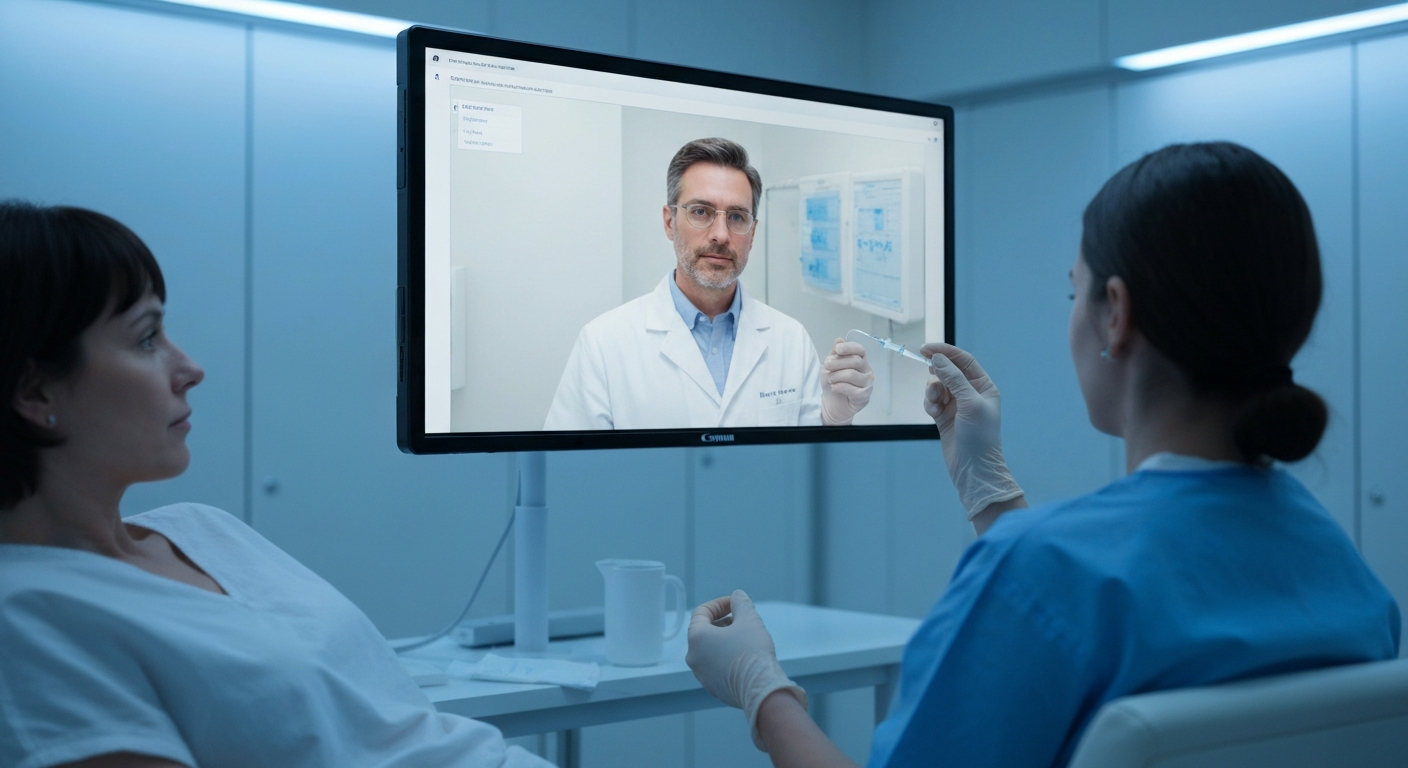
Under HB 479, radiology assistants would gain authorization to administer contrast media under either on-site or remote supervision from qualified radiologists. Remote supervision requires the supervising radiologist to remain “readily available for purposes of consulting with and directing the radiology assistant,” establishing clear communication protocols without mandating physical presence.
This provision specifically applies to radiology assistants performing contrast administration duties outlined in Ohio Revised Code Section 4774.08(A)(4). The legislation maintains existing supervision requirements for other radiologic procedures while creating this targeted exception for contrast-related activities.
Qualified Healthcare Provider Must Be On-Site During Remote Supervision
The bill establishes safety requirements when remote supervision occurs. A qualified healthcare provider must remain physically present at the imaging location during contrast administration to assist with potential adverse reactions. This provider must meet six specific qualifications:
- Completion of institutional training for recognizing and managing contrast reactions
- Ability to identify when immediate medical intervention is required
- Legal authorization to administer prescription drugs and emergency interventions
- Capability to consult with the supervising radiologist promptly
- Current basic life support certification from an acceptable organization
- Knowledge of emergency response system activation procedures
Institutional Treatment Guidelines Required
HB 479 mandates that all contrast administration activities follow “definitive treatment guidelines approved by the clinical leadership” of each institution. These guidelines must govern the radiology assistant, supervising radiologist, and qualified healthcare provider’s actions during both routine procedures and adverse event management.
The legislation requires clinical leadership oversight of institutional protocols. This requirement creates standardized response frameworks while allowing facilities flexibility to adapt guidelines to their specific operational needs.
Federal CMS Changes Drive Ohio’s Legislative Response
Virtual Direct Supervision Rule Permanent Since January 2026
The Centers for Medicare & Medicaid Services permanently revised its direct supervision definition effective January 1, 2026, to include virtual presence via real-time, two-way audiovisual technology for diagnostic tests. This federal policy change created a regulatory mismatch with Ohio state law, prompting legislative action to achieve compliance alignment.
The CMS rule change built upon temporary pandemic-era flexibilities that demonstrated the safety and effectiveness of remote supervision models. Professional radiology organizations, such as the American College of Radiology, support remote supervision, and their policy updates have influenced state-level legislative efforts like Ohio’s HB 479.
State Law Must Align with Federal Requirements
Ohio imaging facilities operating under both federal and state oversight faced compliance challenges when federal CMS policy permitted virtual supervision while state law continued requiring physical presence. HB 479 directly addresses this regulatory gap by updating Ohio statutes to accommodate federal supervision standards.
California’s Assembly Bill 460, which became effective January 1, 2026, provides a precedent for state-level virtual supervision authorization. California’s successful implementation offers Ohio stakeholders a model for regulatory harmonization without compromising patient safety standards.
Professional Requirements and Safety Standards
Qualified Provider Competency Standards
HB 479 establishes rigorous competency requirements for healthcare providers supporting remote supervision activities. These standards ensure that on-site personnel possess the clinical knowledge and emergency response capabilities necessary to manage contrast-related complications effectively.
The competency framework requires institutional validation of provider qualifications rather than relying solely on professional licensing. This approach allows facilities to customize training programs while maintaining consistent safety standards across different healthcare provider types who may serve in the qualified provider role.
Technology Requirements for Remote Supervision
While HB 479 does not specify detailed technology requirements, federal CMS guidance establishes that virtual supervision must use real-time, two-way audiovisual communication that maintains HIPAA compliance. This technology foundation ensures immediate clinical interaction capabilities between supervising radiologists and on-site personnel.
Imaging facilities implementing remote supervision must invest in reliable communication infrastructure that supports instant consultation access. The technology must function consistently to meet the “readily available” standard established in the legislation for supervising radiologist accessibility.
Emergency Response Protocols
The bill emphasizes emergency preparedness through qualified provider requirements for basic life support certification and emergency system activation knowledge. These protocols ensure rapid response capabilities when contrast reactions require immediate medical intervention beyond the qualified provider’s scope of practice.
Institutional treatment guidelines must address emergency escalation procedures, creating clear pathways for accessing additional medical resources when needed. This systematic approach maintains patient safety while enabling operational flexibility through remote supervision models.
Current Legislative Status and Implementation Timeline
Senate Health Committee Review Process
Following House passage, HB 479 entered the Senate Health Committee review process with the most recent activity being a second proponent hearing held on April 15, 2026. The legislative timeline indicates continued progress through the Ohio General Assembly’s regular review procedures.
The bill’s bipartisan sponsorship and professional organization support suggest favorable prospects for Senate approval, though the exact timeline for committee action and floor votes remains subject to legislative scheduling priorities. Stakeholders continue monitoring the review process for updates on potential passage timing.
Ohio Facilities Must Follow Existing State Requirements Until Passage
Until HB 479 becomes law, Ohio imaging facilities operating under state licensure must continue adhering to existing Ohio supervision requirements despite federal CMS policy allowing virtual oversight. This regulatory environment creates operational constraints for facilities seeking to implement remote supervision models.
Facilities should prepare for potential implementation while maintaining compliance with current state law. This preparation includes developing qualified provider training programs and technology infrastructure that would support remote supervision once legislative authorization occurs.
Operational Benefits Drive Widespread Industry Support
Addressing Radiologist Shortages Through Remote Coverage
Remote supervision capabilities offer significant advantages for addressing nationwide radiologist shortages by enabling radiologists to provide coverage for multiple facilities from centralized locations. This model maximizes radiologist capacity while improving service availability for imaging centers in underserved areas.
The operational efficiency gains extend beyond simple coverage expansion. Remote supervision allows facilities to optimize scheduling and resource allocation while maintaining appropriate clinical oversight. These benefits particularly impact rural hospitals and outpatient imaging centers, where radiologist availability has historically presented challenges.
ACR Endorses Remote Supervision
The American College of Radiology actively supports remote supervision implementation. The organization emphasizes that physician supervision requirements for contrast management remain consistent whether supervision occurs on-site or remotely.
Professional organization endorsements reflect clinical experience with remote supervision models implemented during federal pandemic flexibilities. This real-world evidence base demonstrates that appropriate safety protocols can maintain patient protection while enabling operational improvements through virtual oversight.
Position Your Imaging Center for Ohio’s Pending Remote Supervision Law
Ohio imaging centers should begin preparing operational frameworks for potential HB 479 implementation while maintaining current compliance requirements. This preparation includes identifying potential qualified healthcare providers, developing institutional treatment guidelines, and evaluating technology infrastructure needs for remote supervision capabilities.
Staff training programs should address the specific competency requirements outlined in the proposed legislation, ensuring qualified providers understand their expanded responsibilities in supporting radiologist assistant activities. Early preparation positions facilities to implement remote supervision quickly once legislative authorization occurs.
The regulatory modernization represented by HB 479 reflects broader healthcare industry trends toward technology-enabled service delivery models that maintain clinical quality while improving operational efficiency. Ohio facilities that prepare proactively for these changes will be better positioned to capitalize on the operational advantages that remote supervision offers.
ContrastConnect
Las vegas
Las Vegas
NV
89109
United States