
Key Takeaways:
- A 10-yard dumpster commonly measures 14 feet long, 7.5 feet wide, and 3.5 feet tall, with standard weight limits ranging from 1.5 to 4 tons depending on the provider
- Weight capacity directly impacts rental costs, with overage fees ranging from $50-$100 per ton of excess weight
- Heavy materials like concrete require special pricing that allows up to 10 tons but prevents expensive overweight penalties
- Understanding material types and their weights per cubic yard helps homeowners avoid costly rental mistakes
Choosing the right dumpster size can make or break a renovation budget. Too small, and expensive overweight fees pile up. Too large, and money gets wasted on unused capacity. Waste management experts, including those at Zap Dumpsters Peoria, say the key lies in understanding how dimensions and weight limits work together to determine the true cost of waste disposal.
10-Yard Dumpster Dimensions That Peoria Contractors Need to Know
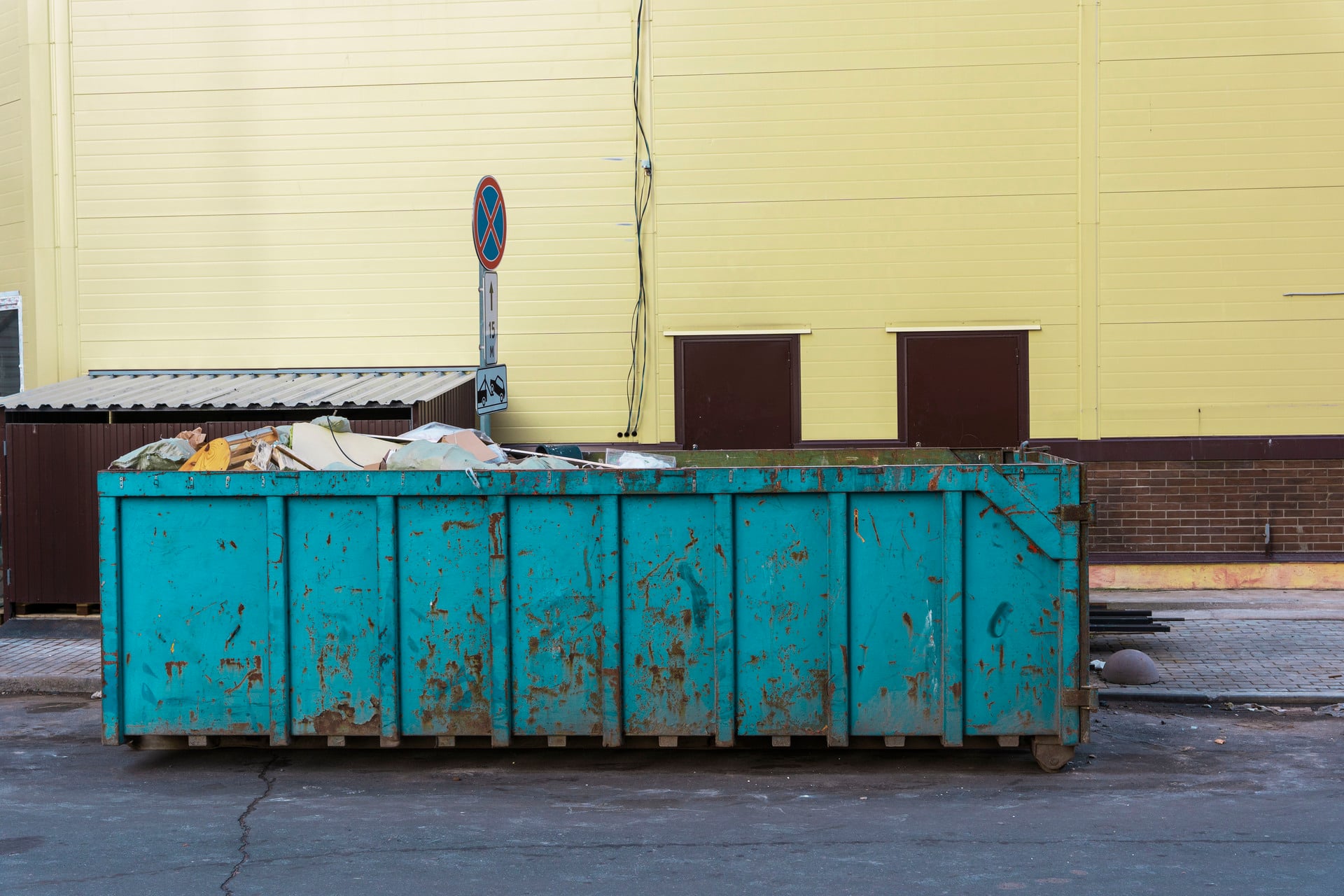
The term “10-yard” refers to volume capacity, not physical length. These containers commonly measure approximately 14 feet long, 7.5 feet wide, and 3.5 feet tall externally, though dimensions vary significantly by manufacturer and style. Some measure 12 feet by 8 feet by 4 feet, while others reach 10 feet by 8 feet by 4 feet. Despite size variations, the internal volume always equals 10 cubic yards or 270 cubic feet.
This compact footprint makes 10-yard dumpsters roughly equivalent to a mid-sized car parked in a driveway. The size fits comfortably in most residential spaces while providing substantial disposal capacity for small to medium projects.
Different styles accommodate various project requirements. Standard roll-off dumpsters feature open-top designs for easy loading. Lowboy containers measure only 2 feet high internally, making them easier to load with heavy materials like concrete or dirt. Some manufacturers offer containers up to 20 feet long, providing better accommodation for longer items while maintaining the same 10-cubic-yard volume.
Weight Capacity Changes Everything About Rental Costs
1. Standard Weight Limits for General Debris
Standard weight capacity for 10-yard dumpsters typically ranges from 1.5 to 4 tons, equal to 3,000 to 8,000 pounds of material, depending on the provider and region. This limit ensures safe transportation and prevents damage to hauling vehicles. Rental companies set these limits based on landfill pricing structures and Department of Transportation regulations for road safety.
Weight limits differ significantly from volume capacity. Lightweight materials like cardboard or clothing may fill the entire container without approaching weight restrictions. Conversely, dense materials like concrete or brick can reach weight limits before filling half the container’s volume. The type of material matters more than the physical space it occupies when calculating final costs.
2. Heavy Material Capacity Requires Special Pricing
While standard rental plans often include only 3-4 tons, heavy debris pricing may allow 10-yard dumpsters to carry approximately 5-8 tons, and in some cases more, depending on the hauler. These containers are commonly used for concrete, brick, dirt, asphalt, and roofing shingles because their low sidewalls make loading dense materials easier.
3. Overage Fees That Significantly Increase The Bill
Exceeding included weight limits results in overage fees, typically charged per ton of excess weight. These fees range from $50 to $100+ per ton depending on market conditions and landfill disposal costs. Rental companies weigh loaded dumpsters at landfills using truck scales, calculating the difference between loaded and empty truck weight to determine debris totals.
A dumpster filled with 4,500 pounds of debris when purchasing a 2-ton (4,000-pound) limit would incur charges for the additional 500 pounds, often calculated at a prorated per-ton rate. Planning ahead and estimating material weights accurately helps avoid these unexpected costs that can double or triple rental expenses.
Material Types That Determine Weight Strategy
Lightweight Household Items and General Debris
Household junk including furniture, clothing, and toys weighs approximately 150-600 pounds per cubic yard. Yard waste such as leaves, branches, and grass clippings ranges from 400-800 pounds per cubic yard. These materials allow full use of volume capacity without approaching standard weight limits.
Drywall weighs 500-700 pounds per cubic yard, making it manageable for most 10-yard containers under standard pricing. A typical single-room renovation generates 1.5 to 2 tons of mixed debris, staying comfortably within standard weight allowances while utilizing most of the container’s volume.
Heavy Materials Requiring Special Pricing
Roofing shingles weigh significantly more than they appear, at 2,500-3,000 pounds per cubic yard. Each roofing square (100 square feet) weighs between 180 and 400 pounds. A typical residential roof replacement generates multiple tons of shingles, making 10-yard dumpsters suitable for roofs up to 20 squares with proper weight planning.
Concrete typically weighs 3,500-4,200 pounds per cubic yard, brick generally weighs 2,500-3,500 pounds per cubic yard, and dirt weighs 2,000-3,000 pounds per cubic yard. These materials require heavy debris pricing to avoid expensive overweight fees. For a standard 10-yard dumpster with a 2-ton (4,000 lb) limit, it can hold approximately 81 square feet of 4-inch thick concrete. However, with heavy debris pricing allowing a 10-ton (20,000 lb) limit, it could theoretically accommodate around 405 square feet.
Delivery Requirements and Space Constraints
Clear Space Requirements
Successful delivery requires approximately 60 feet of clear horizontal space, though some companies may require up to 100 feet for dumpster drop-off. Remove obstacles like parked cars, basketball hoops, or outdoor furniture before scheduled delivery.
Consider placement location carefully to ensure convenient loading throughout the rental period. Position the container close enough to the work area for easy access, but far enough from structures to allow safe loading of bulky items. Avoid placing containers on soft ground, steep slopes, or areas prone to flooding.
Vertical Clearance for Safe Drop-Off
Delivery trucks need 23 to 25 feet of vertical clearance to safely drop off containers. Check for low-hanging tree branches, power lines, or other overhead obstructions along the delivery path. The hydraulic lift system extends well above the container’s height during the placement process.
Trimming branches or identifying alternative delivery routes prevents delays and additional fees. Most rental companies will conduct site visits for challenging placements to ensure successful delivery. Proper planning eliminates last-minute complications that could delay project timelines.
Choose the Right Size to Avoid Costly Rental Mistakes
Understanding the relationship between volume and weight capacity helps avoid unexpected fees while maximizing rental value. Whether removing bathroom fixtures during remodeling, clearing accumulated household items, disposing of concrete, or handling roofing debris, a 10-yard dumpster provides the right combination of size and capacity for small to medium projects.
When uncertain between two sizes, the team at Zap Dumpsters Peoria says that selecting the larger option typically saves money compared to ordering a second container mid-project. Rental companies can help assess project needs during the ordering process based on specific project details. Strategic material separation, efficient loading techniques, and proper weight estimation ensure projects stay within budget while meeting disposal requirements.
The key to successful waste disposal lies in matching container capacity to project scope while understanding how material types affect weight limits. Proper planning regarding dimensions, weight limits, and acceptable materials ensures renovation and cleanup projects proceed smoothly from start to finish without costly surprises.
Zap Dumpsters Peoria
+1 309 650 8954
208 SW Center St
Peoria
Illinois
61605
United States


