
Key Takeaways
- Children’s eyes absorb significantly more UV radiation than adults’ – making proper UV400 protection a non-negotiable, not a nice-to-have.
- Baseball ranks among the top causes of sports-related eye injuries in kids under 14, yet up to 9 in 10 of those injuries are preventable with the right eyewear.
- The best kids’ sports sunglasses combine impact-resistant lenses, flexible frames, a secure fit, and genuine UV400 certification — and understanding what those mean is half the battle.
- Fit is the most overlooked factor – sunglasses that slip or pinch won’t stay on, and sunglasses that don’t stay on don’t protect.
Kids’ Eyes Need More Protection Than You Think
Most parents apply sunscreen before a game and call it a day. Eye protection rarely makes the checklist – and that’s a problem worth fixing sooner rather than later.
Children’s eyes are structurally different from adults’. Their lenses are clearer and more transparent, which sounds harmless but actually means more UV light passes straight through to the retina. Adults develop a natural yellowing of the lens over time that filters some of that radiation. Kids don’t have that buffer yet. Every hour spent in bright sunlight without protection is cumulative exposure that can contribute to cataracts, macular degeneration, and photokeratitis – essentially a sunburn on the surface of the eye – later in life.
For young athletes who spend hours practicing and competing outdoors, proper sports sunglasses can provide an added layer of UV protection without getting in the way of active play.
Medical research and health organizations have consistently flagged childhood UV exposure as a major long-term risk factor for serious eye disease. The damage doesn’t show up right away, which is exactly why it’s easy to underestimate. Getting sunglasses onto young athletes before the habit feels necessary is the smart move.
UV400: The Standard That Actually Matters
Not all sunglasses protect equally. Tinted lenses without UV certification can actually make things worse – pupils dilate behind dark lenses, allowing even more unfiltered UV to reach the retina. The label to look for is UV400, which means the lenses block wavelengths up to 400 nanometers, covering both UVA and UVB rays.
For kids’ eyewear specifically, the recommended threshold is 99-100% blockage of both UVA and UVB. That’s the standard cited by regulatory bodies and product safety guidelines alike. Anything less is a compromise.
Why 99% UV Blockage Is Non-Negotiable
UV damage to the eye is irreversible. Unlike skin, which can repair some UV-related damage over time, the retina and lens of the eye accumulate harm without recovery. A pair of sunglasses that blocks 95% instead of 99% might seem close enough – but across hundreds of hours of outdoor activity each year, that gap adds up considerably. For children who are still developing, the margin for error is smaller.
Children Get 3x the UV Dose Adults Do
Here’s a figure that tends to surprise people: children receive approximately three times the annual UV dose that adults do. The reason is straightforward – kids simply spend more time outside. Between recess, after-school sports, weekend games, and general outdoor play, the hours accumulate fast. By the time a child reaches adulthood, a significant portion of their lifetime UV exposure is already behind them. That context makes early eye protection one of the highest-impact health habits a parent can build.
Baseball Is a High-Risk Sport for Eye Injuries
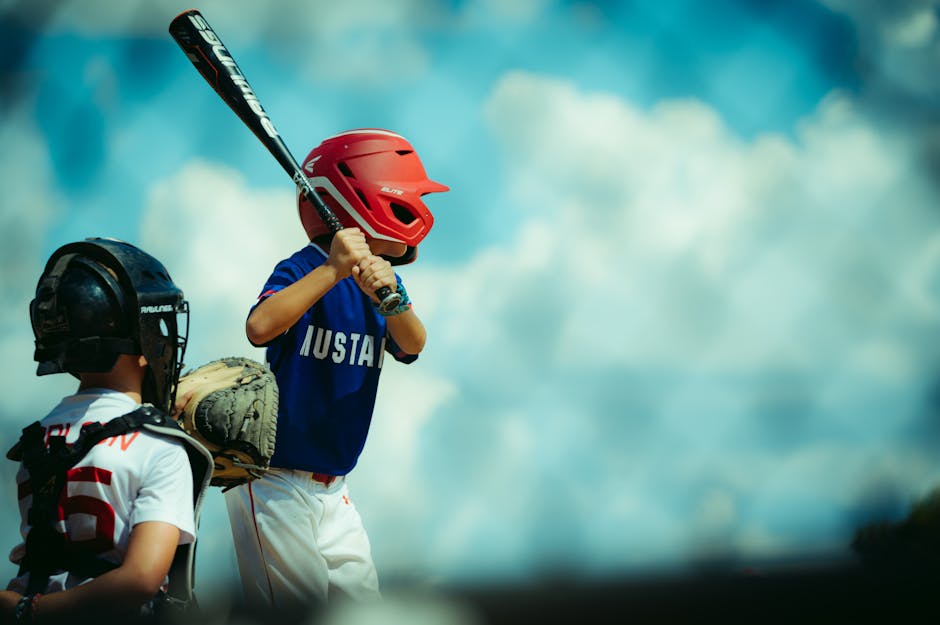
Baseball might look gentler than contact sports, but the eye injury numbers tell a different story.
The Stats Parents Should Know: Baseball Leads Youth Eye Injuries, 9 in 10 Are Preventable
Baseball is one of the leading causes of sports-related eye injuries in children aged 14 and under. More than 40,000 sports and recreation-related eye injuries are reported each year, with a significant portion occurring in children under 15. The sources of injury are everything you’d expect on a baseball field – errant pitches, line drives, fly balls, and even thrown bats.
The stat that should resonate most: the National Eye Institute reports that proper protective eyewear can prevent 9 out of 10 sports-related eye injuries. That’s not a marginal improvement. That’s near-total prevention with the right gear.
Why Fashion Sunglasses Won’t Cut It
Standard fashion sunglasses aren’t engineered for athletic activity. They’re designed to look good, not to absorb impact or stay anchored during a sprint to second base. Their lenses can shatter on impact, turning a protective accessory into a hazard. Sports-specific eyewear is a different category entirely – built around wraparound coverage, UV certification, impact-resistant lenses, and a secure fit. Putting a child in cheap fashion sunglasses for a baseball game creates a false sense of security that’s worth correcting.
What to Look for in the Lens
Polycarbonate: Impact Resistance Built In
Polycarbonate is the industry standard for sports eyewear lenses – and for good reason. It’s significantly more impact-resistant than standard plastic or glass, making it far less likely to crack or shatter when struck. Polycarbonate also has inherent UV-blocking properties, meaning it filters UVA and UVB rays as part of its material composition, not just through an added coating. For kids playing baseball, cycling, or any sport where a flying object is a realistic possibility, polycarbonate lenses are the baseline to meet.
Glare Reduction and the Polarization Trade-Off for Ball Sports
Glare is a real performance issue for young athletes. Reflected light off a field or a wet surface can temporarily blind a fielder at a critical moment. Glare-reducing lenses cut down that reflected light, improving contrast and making it easier to track a moving ball.
Polarized lenses take this further – they use a chemical filter to block horizontal light waves that cause the harshest glare. One factor worth knowing: some athletes report that polarization affects how they perceive a ball in certain lighting conditions, so individual preference and playing environment may influence whether polarized lenses are the right fit. For most youth players, the glare-reduction benefit is a strong advantage, but it’s worth considering when choosing.
Frames That Survive Active Kids
Flexible Fit Without Pinching
Active kids don’t stay still, and neither do their faces during play. Frames made from rubber-based, silicone, or reinforced flexible plastic are the practical choice – they conform to different face shapes, absorb minor impacts without snapping, and bend under pressure rather than breaking. A frame that pinches behind the ears or across the nose gets taken off. A frame that fits comfortably stays on, which is ultimately the point.
Anti-Scratch Coating Keeps Vision Clear
Kids are not gentle with their gear. Lenses get tossed into bags, laid face-down on benches, and rubbed with dirty hands. An anti-scratch coating won’t make lenses completely indestructible, but it meaningfully extends the period of clear, undistorted vision – which matters when a child is trying to track a pitch or judge a fly ball. It’s a practical feature that directly affects performance, not just longevity.
Fit Is the Feature That’s Most Overlooked
A technically excellent pair of sunglasses that slides down a child’s nose during a play offers essentially zero protection at the moment it counts. Fit is the feature that makes every other feature work.
The right fit means the sunglasses stay in place during vigorous movement without squeezing uncomfortably. They should sit close to the face with wraparound coverage that doesn’t leave gaps at the sides. One common mistake: buying sunglasses with room to grow. Eyewear isn’t like shoes. Loose-fitting sunglasses move around, let in light from the sides, and are more likely to fall off during activity. The fit should be snug and comfortable now, not in two years.
For outdoor and multi-sport use, look for frames with adjustable nose pads or temple grips that help anchor the sunglasses during movement – a worthwhile feature for younger or more active kids.
Right Sunglasses Mean Safer Play and Sharper Focus
The case for proper kids’ sports sunglasses goes beyond injury prevention – though that alone should be enough. Reduced glare means better tracking. A secure fit means no distractions mid-play. UV protection means eyes aren’t fatigued by hours of unfiltered sunlight. All of that adds up to a kid who can see better, play longer, and stay safer on the field.
The goal when choosing is straightforward: UV400 certification, polycarbonate or impact-resistant lenses, flexible and durable frames, and a fit that actually stays put. Get those four things right, and the rest takes care of itself.
All Star Shady
support@allstarshady.com
+1 503 213 9578
7337 SE 28th Ave
Portland
OR
97202
United States


